
What Is a Global Travel Adapter and How Does It Work?
Sep 18, 2026
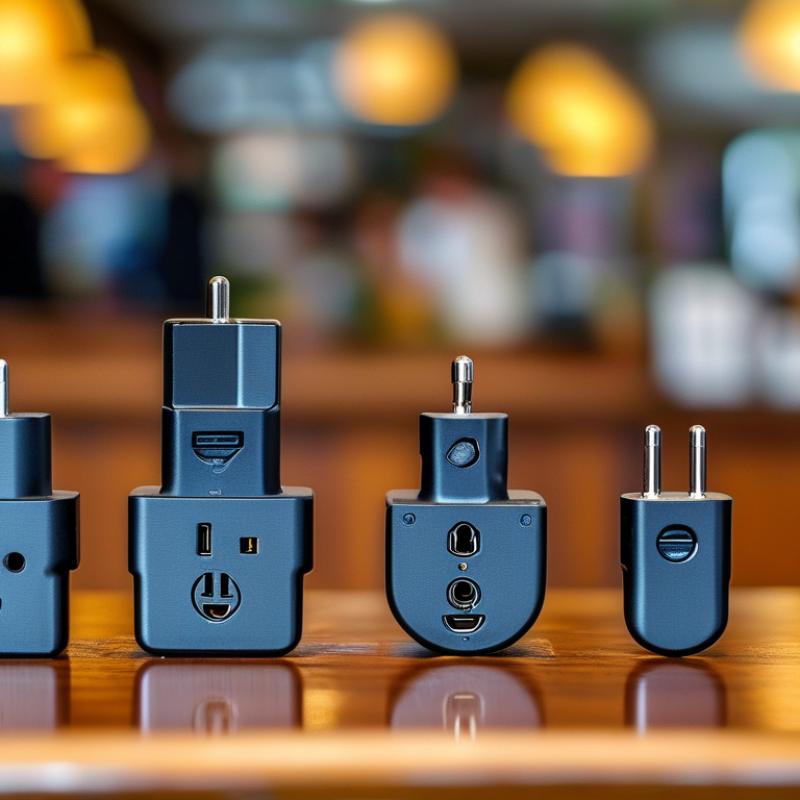
Shenzhen, Guangdong Sep 18, 2026 (Issuewire.com) - A Global Travel Adapter is pretty much a must-have for anyone hitting the road. It's this small device that helps you plug your familiar chargers into sockets in different countries. Just a quick heads-up -- it doesn't generate electricity, and it mostly just changes the shape of your plug, not the voltage itself. That distinction really matters, actually.
Inside, you'll find sliding pins, interchangeable plug heads, or sometimes a rotating selector -- whatever the design, they help fit socket standards from places like Europe, Australia, the UK, and North America. A lot of these adapters also come with USB-A or USB-C ports, so you can charge your phone, camera, or even your laptop all through one device. Honestly, if you're staying in hotels, one of these can save you from carrying around multiple converters. It's super handy.
But here's the thing -- calling it "global" sounds cool, but it's not always 100% accurate. Most adapters don't convert voltage from 220-240V down to 110-120V. So, always double-check the input range printed on your device before you plug it in. For example, a charger marked "100-240V" should work pretty much anywhere, but a single-voltage hairdryer might need a proper voltage converter to avoid frying your hairdo. Oh, and do be careful -- never force a plug into a socket, and if you notice it getting hot, smelling funny, or looking damaged, stop using it right away.
For safety, it's best to rely on the device's label, follow the manufacturer's instructions, and look for quality marks or safety tests. Make sure the contact points are solid, and if it has a fuse, that's even better. Clear electrical ratings are always a good sign. If you're into USB-C power delivery, that's great, but don't forget wattage counts -- especially for bigger laptops.
Ultimately, the best travel adapter isn't necessarily the one with the most ports -- it's the one that fits your devices, where you're traveling, and how you usually charge stuff. A quick checklist before you go can save you from some pretty expensive mistakes. And always put safety first -- it's not worth risking damage or injury just to save a buck or two.
Definition and Purpose of a Global Travel Adapter
A global travel adapter is a compact device that connects a traveler's plug to a foreign wall socket. Its main purpose is compatibility, not power conversion. A Universal Travel Adapter usually supports several plug shapes, including Type A, C, G, and I. This design helps travelers charge phones, cameras, laptops, and other approved devices in different countries.
It is not a transformer. An adapter changes plug geometry, while voltage and frequency remain unchanged. Before connecting a hair dryer or shaver, check its label for voltage requirements. Devices marked "100-240V" usually support a broad electrical range. Single-voltage appliances may require a separate voltage converter. The International Electrotechnical Commission's global plug guidance shows why socket formats differ across regions, even within nearby countries.
Demand for simple travel power solutions reflects wider mobility trends. UN Tourism reported about 1.4 billion international tourist arrivals in 2024, nearly returning to 2019 levels. IATA also reported that global passenger demand increased 10.4% in 2024. More journeys create more charging situations, from crowded airport seats to small hotel desks. In practice, travelers should inspect socket fit, load limits, and grounding before use. A loose connection is not a minor inconvenience. It can damage equipment. Some adapters also include USB ports, but their output quality varies. That is easy to overlook. A careful buyer should verify safety certifications, input ratings, and heat behavior rather than trust the word "universal" alone.
Global Travel Adapter: Typical Mains Voltage by Destination
A global travel adapter changes the plug shape so a device can connect to a local socket. It does not convert voltage or frequency. Check your device label before use: devices marked "100-240V, 50/60Hz" are generally suitable with a plug adapter, while single-voltage devices may require a separate voltage converter.
Key Components and Their FunctionsWhat Is a Global Travel Adapter and How Does It Work?
A global travel adapter connects a device's plug to a foreign wall socket. It does not automatically change voltage. That distinction matters. According to IATA's 2024 passenger forecast, airlines carried about 4.96 billion travelers worldwide. More travelers also mean more mixed charging environments, from airport lounges to older hotel rooms. The adapter's plug interface is the visible component. It may contain sliding pins or interchangeable contact pieces for different socket shapes. Inside, conductive contacts transfer electricity between the wall outlet and your charger.
The housing protects these contacts from accidental touch. A fuse or overload protector may reduce damage from excessive current, depending on the design. Some models include USB-A or USB-C charging ports, controlled by an internal power module. That module converts electricity for compatible devices, but it still does not replace a voltage converter. The International Electrotechnical Commission's IEC 60884 safety framework highlights requirements for household plugs and socket outlets. Real-world quality can vary. A loose contact may create heat, even when the adapter looks intact. Never force a plug.
Tips: Check your device label for its input range. "100-240 V" usually supports worldwide voltage systems. Confirm the destination socket type before departure. Keep the adapter dry. Avoid covering ventilation openings on charging modules. UN Tourism reported about 1.4 billion international tourist arrivals in 2024, so shared outlets can be busy and worn. Test the adapter at home first. Small preparation helps, though it cannot fix a damaged socket.
How a Global Travel Adapter Converts Plug ShapesWhat Is a Global Travel Adapter and How Does It Work?
A global travel adapter lets one device connect to different wall sockets worldwide. Its main job is simple: it converts plug shapes, not electricity. A plug with two round pins may not fit a socket with three flat pins. The adapter provides a matching front socket and a compatible rear plug. Inside, metal contacts create a direct electrical path between the device and the wall outlet. No magic. No automatic voltage protection.
Many adapters use sliding switches, rotating sections, or interchangeable pin sets. You select the shape needed for your destination, then lock it into place. The adapter should fit firmly without forcing the socket. In practical use, a loose connection can cause heat, noise, or interrupted charging. I once assumed "global" meant every socket was covered. That assumption was too confident. Some older or specialized outlets may still need a different solution.
Tips: Check your device label before plugging it in. An adapter changes shape, but usually does not change voltage or frequency. A dual-voltage charger may work safely within its stated range. A single-voltage appliance may require a suitable converter. Keep the adapter dry, avoid overloading it, and stop using it if the pins feel hot. Small details matter. Also, confirm the adapter's current rating for high-power devices, such as hair dryers or travel kettles.
Electrical Compatibility: Voltage, Frequency, and Safety
A global travel adapter changes plug shape, not electrical power. An Universal Travel Ac Adapter may fit a socket abroad, but it usually does not convert voltage or frequency. The International Electrotechnical Commission identifies two common supply ranges: 100-127 volts and 220-240 volts. Systems generally operate at 50 or 60 hertz. That difference matters. A hair dryer rated only for 120 volts can overheat on a 230-volt circuit. I learned this the hard way after seeing a travel charger become unusually warm beside a hotel bed. Heat is a warning, not a feature.
Check the label before connecting anything. "Input: 100-240 V, 50/60 Hz" usually indicates dual-voltage compatibility. A single-voltage device needs a suitable converter, not just an adapter. Frequency can also affect motors, clocks, and heating appliances. The U.S. Consumer Product Safety Commission estimates that extension cords are linked to about 3,000 residential fires each year, showing why overloaded connections deserve attention. Use equipment with recognized safety certification, intact insulation, and a matching power rating. Never force a loose plug.
Tips: Photograph each device label before departure. Confirm the destination's voltage, frequency, and socket type through an official electrical authority. Keep high-wattage appliances separate from small chargers. Test the adapter briefly, then check for heat, smell, or buzzing. I still question whether compact designs always provide enough spacing around contacts. Convenience can hide risk.
Common Plug Standards Supported Worldwide
A global travel adapter connects your device's plug to a foreign wall socket. It does not usually change electricity voltage. That difference matters.
Common plug standards vary by region.
Type A uses two flat pins and is common in North America and parts of Asia. Type B adds a grounding pin. Type C has two round pins and appears across much of Europe. Types E and F also use round pins, but their grounding designs differ. Type G uses three rectangular pins, while Type I uses angled flat pins. Type J and Type L are also found in parts of Europe.
Check the socket carefully.
A Travel Plug Adapter Universal model may accept several plug shapes, but its output side still depends on local standards. I have seen travelers force a Type C plug into an incompatible socket. That can damage the plug or leave it loose. A grounded device needs a grounded connection, not just physical access. Some adapters cover many countries but remain bulky near crowded hotel sockets. That small detail becomes frustrating beside a bedside table. Also inspect the voltage label on your charger. Many modern chargers support a broad range, yet hair dryers and heating tools may not. An adapter solves shape problems, not every electrical problem. I sometimes trust universal labels too quickly, so checking the local standard and device rating remains essential.
How to Choose the Right Global Travel Adapter
A global travel adapter lets your device fit different socket shapes. It does not automatically change voltage. That distinction matters. IATA forecast 4.7 billion air travelers in 2024, so one adapter may cross several electrical systems. Before buying, check your destination's plug type, voltage, and frequency. Use a government travel page or an electrical safety authority, not only a marketplace description.
Choose a Universal Travel Plug Adapter with a grounded connection for laptops and three-pin appliances. Confirm its accepted input range, such as 100-240V. Check the label. If your appliance supports only one voltage, you need a voltage converter instead. A converter and an adapter are different tools. Look for USB-C Power Delivery if you charge a tablet or laptop. Match its wattage to your charger's requirement. A low-output port may charge slowly or fail completely.
Physical design also affects safety. IEC 60884-1 covers important requirements for household plugs and socket-outlets, including construction and safety testing. Look for shutters, a fuse or overload protection, and a firm locking mechanism. Avoid loose adapters that wobble in the wall. Do not guess. I once trusted a compact adapter because it felt heavy, but its USB output was disappointing. Size can mislead. A visible safety mark, clear specifications, and a return policy provide stronger evidence. UN Tourism recorded about 1.4 billion international tourist arrivals in 2024, making reliable compatibility more important than saving a few dollars.
Pre-Trip Checklist
- Identify the destination socket type.
- Check every device's input voltage and frequency.
- Calculate the combined power demand.
- Confirm USB port output and cable compatibility.
- Inspect the adapter for damage before use.
A short compatibility check helps prevent charging problems and unsafe connections during the trip.Pack the adapter together with the necessary cables and, if needed, a voltage converter rated for the appliance.Safe and Proper Use in Different CountriesWhat Is a Global Travel Adapter and How Does It Work?Safe and Proper Use in Different Countries
A global travel adapter lets a device fit an unfamiliar wall socket. It does not automatically change voltage. This detail matters. The International Electrotechnical Commission's World Plugs database shows that countries use different socket shapes and electrical standards. A flat-pin adapter may fit the outlet, while your device still receives unsafe voltage.
Check the small label on your charger before packing. "Input: 100-240V, 50/60Hz" usually means it can handle common worldwide voltage ranges. Hair dryers, irons, and heated styling tools often need more power. They may require a voltage converter, not only an adapter. The IEC recommends matching equipment with compatible plugs, voltage, frequency, and protection requirements. Do not force a loose connection.
Use the adapter on a dry, uncovered wall socket. Keep cables away from sinks, wet floors, and tightly packed luggage. Stop using it if you notice heat, buzzing, discoloration, or a burning smell. IATA reported approximately 4.7 billion passenger journeys worldwide in 2024, making safe portable electrical use increasingly important. Yet I still see travelers checking only the plug shape. That shortcut can fail. In older buildings, unstable sockets and missing earth connections may create extra risk. Choose certified equipment, inspect it before each trip, and follow the destination's electrical guidance.
Universal AC Power Adapter: Reliable, Durable Power for Everyday Devices
AC Power Adapter Universal AC Power Adapter Output Type AC Size 3.5 X 2.2 X 1.2 Inches Durable Power Adapter for Devices
The Universal AC Power Adapter provides reliable, convenient power for a wide range of everyday electronic devices. Designed with versatility in mind, this AC Adapter Charger Power Supply helps reduce the need for multiple chargers at home, in the office, or while traveling. Its broad 100-240V input range supports use in different regions, helping minimize concerns about voltage compatibility when moving between countries.
Built for regular personal and professional use, the adapter offers a practical balance of efficiency, durability, and ease of use. Its adaptable design makes it suitable for powering compatible equipment such as small electronics, office accessories, and other household devices. A dependable power solution can help keep essential devices ready for use throughout the day, while its compact and functional construction makes storage and transportation simple.
Conclusion
A Global Travel Adapter is a compact device designed to help travelers connect electrical appliances to wall outlets in different countries. Its main purpose is to change the plug shape, not usually the electrical voltage. By using interchangeable pins, sliding mechanisms, or built-in socket openings, it can support common plug standards from various regions. Inside, its key components may include input and output contacts, grounding features, safety shutters, fuses, and USB charging ports. These parts help provide a convenient and secure connection for compatible devices.
Before using a Global Travel Adapter, travelers should check the destination's plug type, voltage, and frequency, as well as the requirements of their appliances. An adapter alone cannot safely operate a device that is incompatible with the local voltage; a separate voltage converter or transformer may be necessary. Choose an adapter with appropriate power ratings, grounding protection, and safety certification. Always keep the adapter dry, avoid overloading it, insert it firmly, and inspect it for damage before use.
Source :Shenzhen FuYun(RUIYU) Technology co., LTD.
This article was originally published by IssueWire. Read the original article here.
More News

The virtual worlds where robots are trained
Training systems that allow robots to negotiate the real world are getting more sophisticated.

Searing Elon Musk Film Nears U.S. Release Amid Overseas Concerns
Alex Gibney’s “Musk” will arrive in United States theaters next month. Universal says it remains committed to releasing it overseas but has yet to set dates.

Trump Seeks ‘Made in U.S.A.’ Labels on Beef as Import Rule Angers Ranchers
The Agriculture Department hopes Americans will pay more for U.S. beef, in an attempt to appease ranchers upset over increased, cheaper imports.

World Bank Courts Private Financing Amid Global Debt Burden
The World Bank president, Ajay Banga, has worked to make the development institution a magnet for private capital as donor nations face budget constraints.

Trump Blasts the Fed But Spares Kevin Warsh After Interest Rate Hike
The president blasted the rest of the Fed — and kept up his demand for a cut — but spared Fed Chairman Kevin M. Warsh from the criticism.

Mixed feelings from consumers as electricity discount to be given to NI households
The one-off £63 reduction in electricity bills will be applied from next month.

Warm words on Canada's EU 'associate membership' but no guarantees
There is no certainty that the idea will ever get off the ground, let alone become a blueprint for other countries, writes the BBC's Katya Adler.

Steve Bannon and Bernie Sanders Condemn Tech ‘Oligarchs’ and Demand A.I. Reforms
At an event in Washington, partisanship took a back seat as elected officials, religious leaders, parents and artists called for reining in artificial intelligence.

Barclays workers ask for more money to return to the office
Unite union, which represents 36,000 Barclays staff, calls for a one-off payment to offset increased travel and childcare costs.

Interest rates held but Bank signals rise if energy prices stay high
Rates are held for the sixth time in a row but the Bank of England says high energy prices make a future rise more likely.

Trump’s Latest Threats Loom Over Fed’s Interest Rate Decision
This month, the president threatened to halt a broad swath of trade if interest rates were not cut, a possibility he resurfaced on Wednesday.

Fed Raises Rates in First Major Step by Warsh to Contain Inflation
The Federal Reserve’s first increase to interest rates since July 2023 comes less than two months before the midterm elections.
YOUR NEWS, OUR NETWORK.
Do you have Great News you want to tell the world?
Be it updates about your business or your community, you can make sure that it’s heard by submitting your story to our network reaching hundreds of news sites across 6 verticals.