
Corporate Entrepreneurship: A Way To Reap The Demographic Dividend
Mar 4, 2020
Indian is going through a transition phase between the generation cohorts. At present, 65% of the population consists of the younger workforce, which includes Millennials and Generation Z. It provides India with the opportunity to benefit from its demographic dividend. Among the younger workforce Generation Z are now entering the workforce and millennials have become the primary participant of the workforce.
However, they are experiencing a challenging environment, where fields such as education, medicine, business management and law which were assured for growth in one’s career in the 1990s and 2000s are becoming less lucrative and safe.
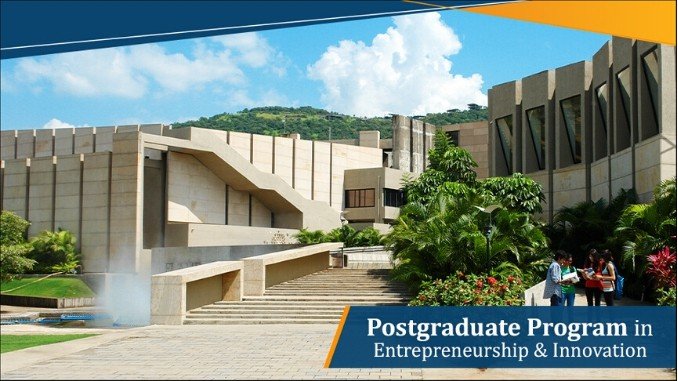
To be the force multipliers in developing entrepreneurial skills, FLAME University, the Pioneers of Liberal Education in India, is offering a one-year full-time Postgraduate Program in Entrepreneurship and Innovation. This program is designed for individuals and next-generation family business entrepreneurs who are highly motivated to launch high impact ventures.
Moreover, the economic uncertainty and open discussion about employee loyalty, has changed the preferences of the younger workforce. Today’s younger workforce is sceptical about employment, and as an outcome, they do not follow the idea of one job, one career. The youth pursuing higher education prefer professions that offer opportunities such as learning innovative technology, working with newer and different methods, and providing opportunities which allow taking calculated risks.
The inner self of the younger workforce consists of an innovator and an entrepreneur. Therefore, most of them aspire to transform their hobbies into careers. As a result, the industry is witnessing a change in the characteristics of the younger workforce when compared with the older generation of baby boomers (born from 1946 to 1964) and Generation X (born from 1965 to 1977).
The new Indian demographics, coupled with the entrepreneurial drive, low engagement levels and fewer employment opportunities, triangulates into the complexity faced by the country today. There is a need for the corporate world and the policymakers to understand what the younger workforce wants at the workplace and build their policies accordingly.
The younger workforce today wants to do work that does not currently exist. Moreover, they wish to work in entirely different formats: not 40-hour per week cubicle workers, but freelance contractors with great flexibility, who solve problems with their expertise. These characteristics make one realize that to reap the dividend of the younger demographics, Indian organizations need to develop a long-term orientation based on entrepreneurial initiation.
It can be done by engaging employees to practice corporate entrepreneurship. Organizations can permit employees to use a minimum of 10 per cent of their time on self-directed projects within the organizations by leveraging the resources of the parent’s organization. For instance, 3M started this practice in 1948 and many other organizations, including Google, practice it even today.
Such corporate entrepreneurship initiatives are not limited to the creation of new businesses or development of new products, but on entrepreneurship on a daily basis and aims at doing things in an entrepreneurial way. This allows the younger workforce to remain engaged, practice entrepreneurship and help India reap the demographic dividend.
With the world we live in today, it’s time to stop blaming the new generation and start providing them with the opportunities they need to change the way the world functions.
The post Corporate Entrepreneurship: A Way To Reap The Demographic Dividend appeared first on Digpu News.
More News

Vape tax comes into effect - but prices won't rise yet
Vaping is about to becoming more expensive due to a new tax on products.

Mattel Chief Named Co-C.E.O. of Combined Paramount and Warner Bros.
Ynon Kreiz, who will work alongside David Ellison at the merged company, helped turn Barbie into a blockbuster movie.

Trump Dangles Alaska Gas Project as Part of Korean Investment Package
The long-delayed project, which the developer has not yet formally greenlit, would deliver Alaskan gas to Asian markets but take several years to construct.
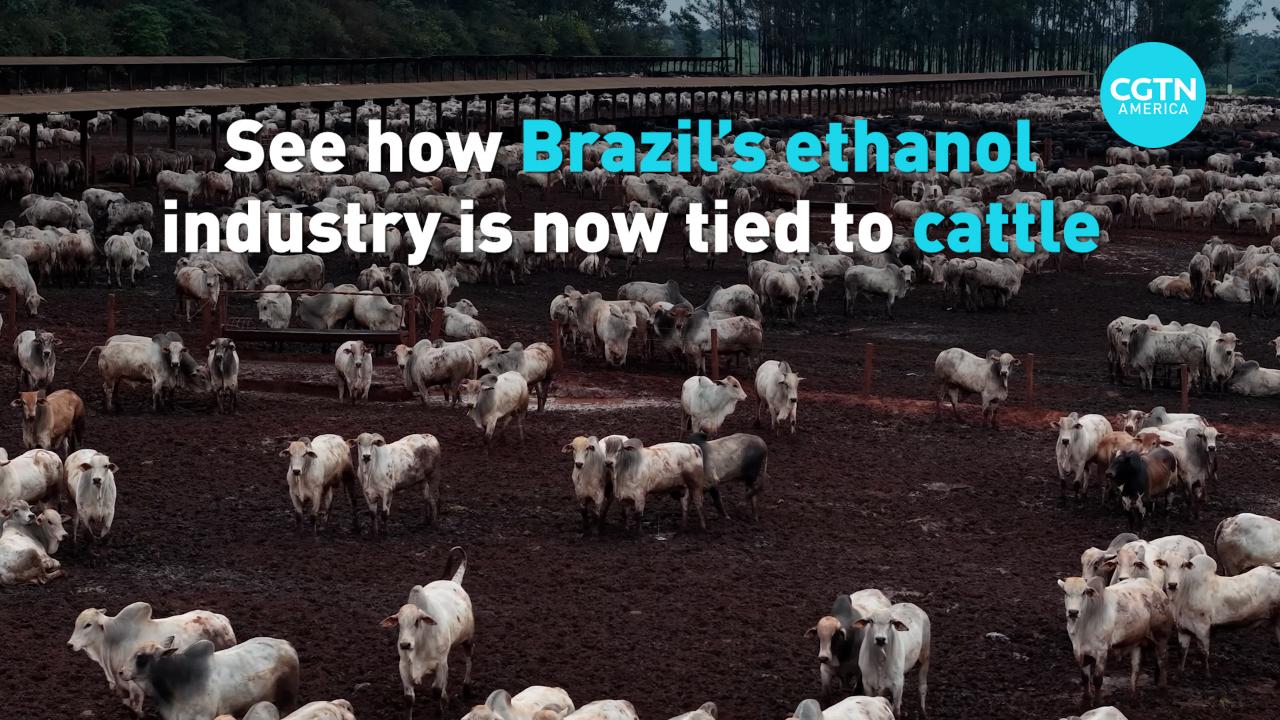
See how Brazil's ethanol industry is now tied to cattle
For decades, Brazil has been a major ethanol producer, traditionally using sugarcane. More recently, production of ethanol derived from corn has been on the rise and one protein-rich byproduct used for animal feed is in high demand and being exported to several countries worldwide, including China.

Google Wants Hollywood to Stop Being So Afraid of Technology
100 Zeros, a collaboration between Google and Range Media Partners, aims to give the tech giant a foothold in movies, TV and emerging forms of entertainment.

Condé Nast C.E.O. Leaves to Run Mattel
Roger Lynch, who has led the publisher for more than seven years, will become the chief executive of the toy company, he said Wednesday.

How to Listen to Your Favorite Music, Online or Off the Grid
Streaming services can introduce you to a wonderland of nearly unlimited audio, but downloading your digital collection has advantages.

Trump Media’s Merger With Nuclear Fusion Company Moves Closer to Completion
A securities filing laid out the terms of the deal between Truth Social’s parent company and TAE Technologies, which was formally announced in December.

Fed’s Watchdog Finds No Misconduct or Illegal Activity in Costly Renovations
A new report by the Federal Reserve’s independent inspector general concluded that a nearly $2.5 billion construction project was poorly managed but made no referrals to the U.S. attorney general.

E.E.O.C. Sues Harvard for Data on Diversity in Hiring Practices
The Equal Employment Opportunity Commission filed a lawsuit asking a judge to compel the university to provide information on hiring practices that the agency said discriminated against white men.

DeepSeek and Huawei Target a Key Source of Nvidia’s A.I. Dominance
In China’s push for self-reliance in artificial intelligence, DeepSeek and Huawei have teamed up to develop software tools for advanced chips.

Troubles at Situational Awareness Point to Record Stock Market Leverage
A meltdown at Situational Awareness, an A.I.-focused investment firm, is raising tough questions about the Wall Street banks that lent billions to the upstart firm.
YOUR NEWS, OUR NETWORK.
Do you have Great News you want to tell the world?
Be it updates about your business or your community, you can make sure that it’s heard by submitting your story to our network reaching hundreds of news sites across 6 verticals.