
High Standards vs. Low Cost: Evaluating CAIMEI's Professional High Quality Book Printing Solutions
Oct 23, 2026
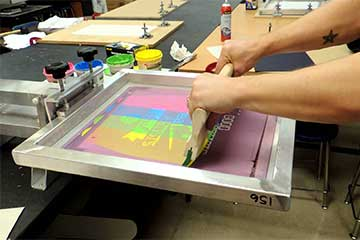
Shenzhen, Guangdong Oct 23, 2026 (Issuewire.com) - Balancing profit margins with premium material quality is a standard operational requirement for international publishers in the book market. Procurement departments frequently evaluate the trade-off where lower unit price points might otherwise imply inferior paper stock, chemical ink variance, or structural binding defects. A detailed analysis of specialized manufacturing infrastructure indicates that large-scale automation and systematic sourcing bridge this technical gap. Modern industrial facilities utilize continuous high-speed production runs to deliver professional high quality book printing solutions that successfully optimize baseline expenses without compromising the structural or aesthetic integrity of the finished publication.
The Economics of Scale in Book Manufacturing
The traditional assumption that premium manufacturing requires prohibitive pricing often stems from a fragmented view of the print supply chain. When publishers rely on smaller facilities with outdated equipment, the unit cost inevitably escalates due to high material waste and frequent manual adjustments. In contrast, large-scale industrial groups reshape this economic dynamic through systematic efficiency. Raw material procurement in 500-ton batches allows for a 15% reduction in paper costs, which is the primary driver of competitive pricing in high-volume book production. This scale of operation is how Shenzhen Cai Mei Plus Printing Co., Ltd., delivers professional high quality book printing solutions without the premium price tag often associated with high-end manufacturing. With over 20 years of domestic and international industry experience, the group demonstrates how large-scale models transform raw material acquisition and operational throughput.
The 30,000-square-meter facility is designed for maximum throughput efficiency, reducing the "make-ready" time between jobs. Scale isn't just about buying cheap--it is about reducing waste. A workforce of 700 skilled employees and 57 production lines optimizes the imposition of pages to minimize "paper trim" waste. For a large run, saving even 2% on paper waste can translate into thousands of dollars in savings for the publisher. This scale-driven strategy insulates publishers from localized market fluctuations and reduces the per-page material cost. Centralized ink distribution systems also ensure color consistency across multiple presses, preventing the slight variations that often occur in smaller shops. Consequently, the resulting cost reductions derive from structural supply chain optimization rather than the reduction of product specifications.
Balancing Cost and Quality via Process Adaptation
Achieving true cost efficiency also requires precise process adaptation based on the specific classification of the literary work. Every publication genre--whether a high-distribution paperback novel, a visually demanding art catalog, or a heavily handled academic textbook--requires an individual balance of materials and structural engineering. Over-engineering a standard book with unnecessary premium finishes creates financial waste, while under-engineering an educational text results in early damage. Professional book printing solutions focus on matching the specific operational requirements of a book to the most cost-effective production pathway.
For instance, a standard monochrome text novel achieves its optimal economic point through high-speed perfect binding paired with lightweight, high-opacity text paper. This configuration minimizes material weight for shipping and accelerates binding speeds, which lowers direct labor costs. Conversely, a premium art book containing high-resolution photography requires advanced multi-color offset presses and hardcase thread sewing to ensure long-term durability and precise color fidelity. Large-scale infrastructure also supports a wide inventory of paper weights and finishes, from 60gsm woodfree to 400gsm C1S board. This inventory management means production starts immediately after proof approval, rather than waiting for paper deliveries. By utilizing specific machinery for specific layouts, CAIMEI aligns the technical requirements of the book with the optimal machinery configuration.
The Hidden Value of Stringent Manufacturing Standards
Beyond visible material choices, standardized production protocols provide significant savings that remain invisible on an initial quote but materialize during distribution. Substandard printing operations frequently suffer from quality variations, leading to detached pages, uneven margins, or severe color deviations across a single print run. These defects cause high return rates, costly reprints, and long delays. By implementing strict international standards, including comprehensive ISO quality management systems, CAIMEI translates theoretical quality benchmarks into measurable operational procedures at every stage.
When a technical team operates under verified standard operating procedures, material waste drops substantially, and post-production corrections decrease. Additionally, an integrated service model encompassing pre-press preparation, plate-making, printing, binding, and international logistics creates a streamlined workflow. Managing all stages under one industrial umbrella eliminates the communication friction and overlapping management fees that typically occur when coordinating multiple third-party vendors.
Navigating the Pitfalls of Superficial Low Pricing
To properly evaluate a manufacturing proposal, publishers must distinguish between genuine cost efficiency and superficial low pricing. The modern print market contains numerous low-tier facilities that attract clients with unsustainably low initial quotes. However, these superficial cost reductions often rely on substandard practices, such as using unverified, low-weight paper stocks or low-grade industrial glues. Over time, books bound with inferior adhesives fail in humid environments, resulting in brittle spines and loose pages.
Furthermore, some low-cost facilities utilize volatile organic compounds and non-compliant chemical inks to reduce material outlays. This practice poses regulatory risks for international distribution, particularly within jurisdictions that enforce strict environmental and consumer safety certifications. By maintaining comprehensive compliance, CAIMEI guarantees that all materials meet international safety and environmental regulations. Strict compliance eliminates the risk of border delays, customs rejections, or legal challenges.
Life-Cycle Expenses vs. Initial Quotes
Ultimately, evaluating book manufacturing costs requires an understanding of total life-cycle expenses rather than a narrow focus on the initial invoice. A minor saving during procurement represents a high financial risk if it increases the likelihood of product failure. When a shipment contains misaligned text blocks or weak binding, the expense of destroying defective inventory and rushing emergency reprints far outweighs any initial savings. A successful outcome relies on doing the job correctly during the first production run.
Industrial scale, systematic process adaptation, and strict compliance combine to prove that high quality manufacturing does not require unsustainable budgets. For established international publishing houses requiring reliable volume production, the optimal strategy relies on structured efficiency.
Partner with a factory that understands the intersection of scale and quality. Contact CAIMEI today to optimize your printing budget, and visit the official corporate portal at https://caimeiprinter.com/ to start the conversation.
Frequently Asked Questions
Q: How does CAIMEI maintain quality while producing at such high volumes?
A: Automated optical inspection systems on the printing presses scan for hickeys, spots, and color deviations in real-time. This approach catches errors at 15,000 sheets per hour.
Q: What is the benefit of centralized procurement for the end client?
A: It provides price stability. Large-scale contracts hedge against paper market fluctuations, which supports fixed pricing on long-term projects.

Source :Shenzhen Cai Mei Plus Printing Co., Ltd.
This article was originally published by IssueWire. Read the original article here.
More News

Public Colleges Are Passing the $50,000-a-Year Mark. For Locals.
At the University of California campuses in Berkeley, Irvine and Santa Barbara, students get an unwitting education in navigating the housing market.
100 million import orders? Yiwu did it in a flash!
China's Yiwu has just hit 100 million import orders for 2026, a full 40 days earlier than the previous year. The world's wholesale market is now the world's shopping cart!

Global funding for nature still falling short: Paulson Institute
Global funding for nature still falling short: Paulson Institute

Budget to include £1bn for social and affordable housing
The move will take funding for the 10-year programme to more than £40bn.

Schroders: China's capital market opening deepens two-way connectivity
China's capital market opening-up is a very positive long-term development that deepens two-way connectivity between China and international capital markets, said Yu Xueyu, CEO of Schroders Hong Kong, in an interview with CGTN.

My Co-Worker Is Losing It Over My Religion
Plus: Reader responses to a woman returning to the office after two decades of self-employment.

The Long Life of the ‘Snacking Occasion’
As eating habits shift, the food industry is promoting any opportunity to nibble.
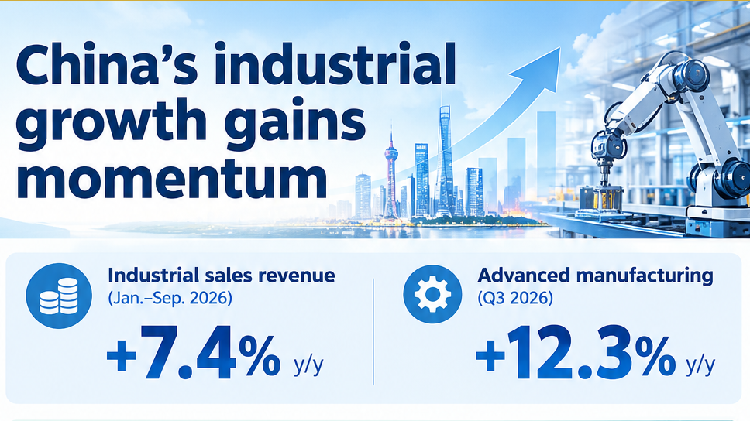
China's industrial growth gains momentum
China's industrial growth gains momentum. Strong growth in AI-related manufacturing, emerging industries and equipment investment highlights the country's new development drivers.

Expert: China's AI infra sector offers investment opportunities
As China advances the development of new quality productive forces during the 15th Five-Year Plan period (2026–2030), Tan Poh Hwee, president of the Asia Academy of Digital Economics, told CGTN that China has already built strong momentum in these fields.

Rosebank: Life on the oil field at the centre of a political storm
Scotland editor James Cook finds out what life is like on board a ship in an untapped oil field awaiting its fate.

Heating oil costs 'more than double' ahead of winter
Middleton in Teesdale has no mains gas supply so many residents use expensive heating oil.
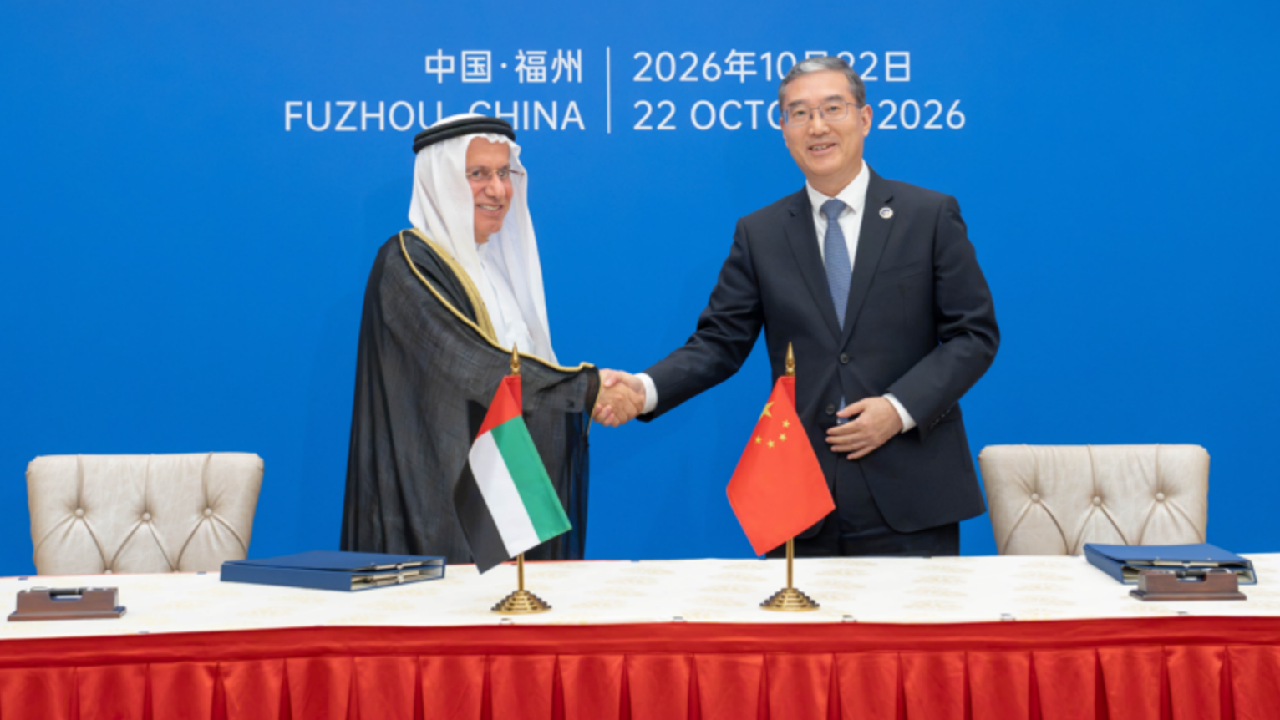
UAE's Ras Al Khaimah signs friendship agreement with Fujian Province
One of the key outcomes of Ras Al Khaimah Ruler H.H. Sheikh Saud bin Saqr Al Qasimi's visit to China is a paper to formalize the sisterhood agreement between Ras Al Khaimah and Fujian Province.
YOUR NEWS, OUR NETWORK.
Do you have Great News you want to tell the world?
Be it updates about your business or your community, you can make sure that it’s heard by submitting your story to our network reaching hundreds of news sites across 6 verticals.